In June 2026, Vectour planned and delivered access and mobility for the inaugural Atlanta BeltLine Festival, moving 20,000 attendees to a venue with no dedicated parking during the World Cup

The assignment
In June 2026, Vectour planned and delivered access and mobility for the inaugural Atlanta BeltLine Festival, moving 20,000 attendees to a venue with no dedicated parking during the World Cup
Location
Pittsburgh Yards on the BeltLine Southside Trail, Atlanta, GeorgiaService Type
Access and Mobility Planning and OperationsClient
Atlanta BeltLine, Inc. (ABI) and event organizersChallenge. Approach. Results.
Draw attendees to the newly opened Southside Trail and encourage pedestrian and micromobility arrivals from busier sections of the loop, making the BeltLine rather than the road network the event's primary entry point.
Move 10,000 attendees per day to a venue with no dedicated parking by engineering each mode's share of demand into a designed capacity.
Give attendees who preferred to drive a convenient, reliable park-and-ride shuttle from close-in parking.
Deliver safe, predictable arrivals and departures on both days while Atlanta hosted World Cup matches.
Every one of the 10,000 daily attendees had to arrive by a managed mode.
Citywide demand on roadways, transit, and public-safety resources was at its peak during the event weekend.
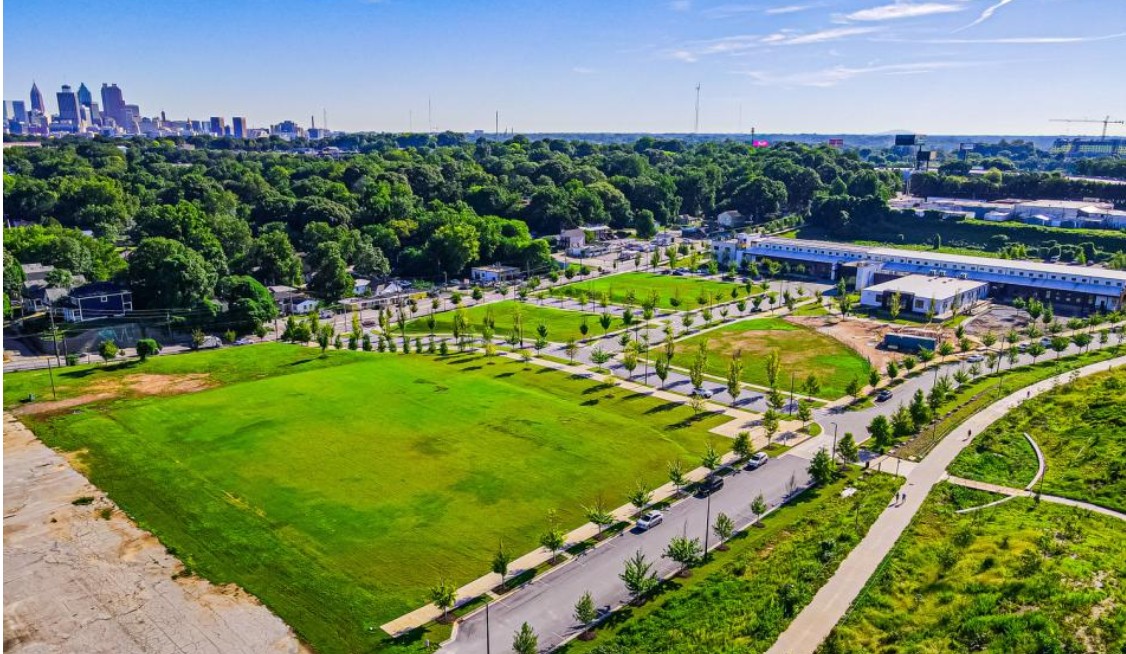
The venue was bisected by the newly opened Southside Trail, and the BeltLine's busiest nodes sat an estimated two-hour walk away on the east side of the loop.
ATL Spoke's capacity of roughly 200 riders per hour could not absorb 1,000 daily rail arrivals concentrated in two- to three-hour peaks.
Rideshare demand was projected to peak at 300 to 500 requests within 30-minute windows at the end of each day.
A demand model allocated daily attendance across park-and-ride shuttle (50%, 5,000), BeltLine walking (25%, 2,500), rideshare (10%, 1,000), shared micromobility (10%, 1,000), and bike valet (5%, 500), with MARTA rail and BRT delivering an estimated 1,500 of the trail arrivals.
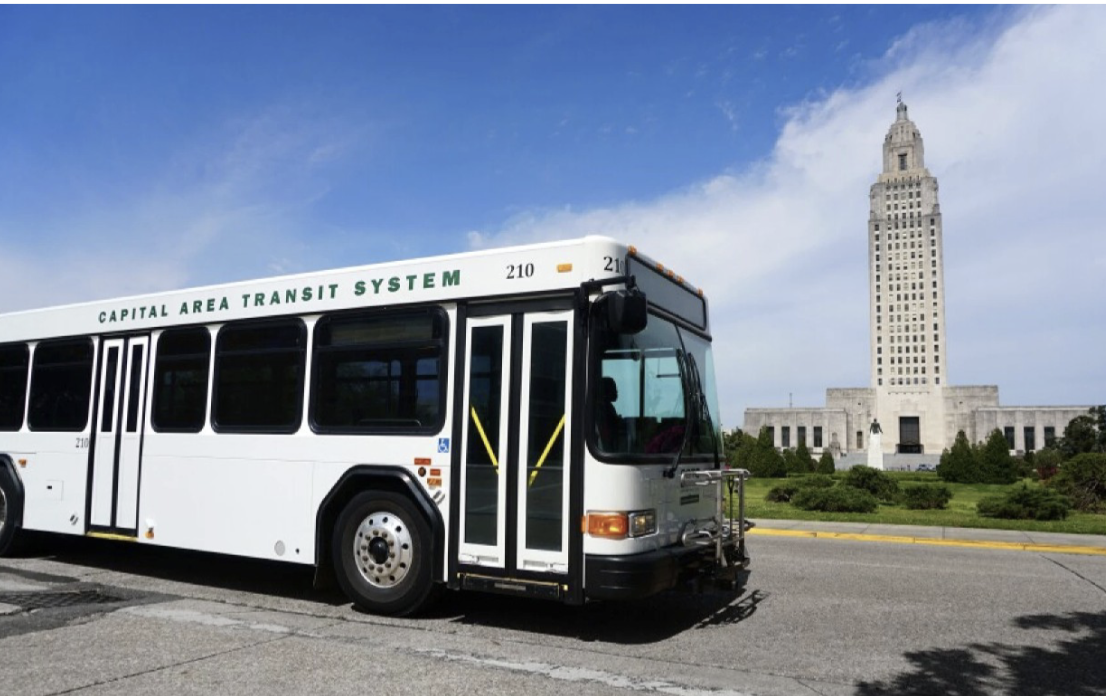
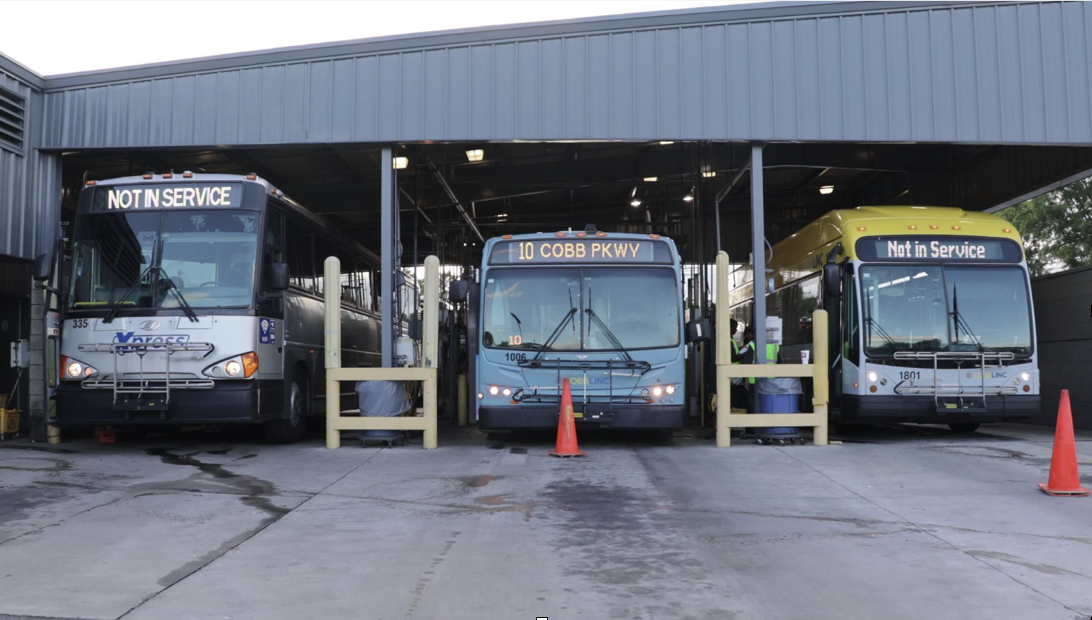
Two adjacent college parking lots were consolidated into a single operation served by a continuous motorcoach loop, including an ADA-accessible unit, over an 11-hour service window with real-time dispatch monitoring to manage arrival surges.
MARTA rail riders connected from West End Station to the Lee + White access point via ATL Spoke, with supplemental motorcoaches staged on York Ave SW to absorb peak overflow, while BRT riders were routed on foot from the Craver stop via Terminal South with staffed wayfinding.
An off-site pickup and drop-off zone with one-way flow, supported by staffed queue lines, Uber and Lyft in-app geo-pins, and pre-positioned drivers for post-event peaks.
Lime and Bird inventory expanded at high-traffic nodes 48 hours ahead, geofenced slow zones on the trail approach, a no-ride zone within the festival footprint, and staffed parking corrals.
Added micromobility inventory and directional signage at east-side nodes, distance and time markers along the Southside Trail, and staffed, ADA-accessible walking routes to pull attendees south to the venue.
Development of a demand model allocating 10,000 daily attendees across five managed modes, with public transit feeding an estimated 1,500 arrivals into trail and pedestrian flows.
Per-mode service design, fleet sizing, and routing, including identification and operation of the park-and-ride sites and sourcing of the motorcoach fleet.
Capacity planning around World Cup match times and headliner sets, including rideshare surge protocols and supplemental shuttles for transit overflow.
Position-level staffing dot maps covering every operational point, from lot attendants and supervisors to ADA assistance personnel, with ADA-accessible routing on every mode.
Directional signage, digital channels, and neighborhood outreach, including distance and time markers along the Southside Trail.
Companion access-control and security recommendations for ABI's World Cup-period activations, coordinated with the City of Atlanta, APD, MARTA, and public-safety partners.
Every mode delivered on both event days despite concurrent World Cup demand on the city's network.
The multimodal plan drew strong praise from ABI and festival attendees.
The City of Atlanta, APD, MARTA, ATL Spoke, Lime, Bird, and rideshare operators were integrated into a single operating plan aligned to event start and end times.
The program established a repeatable access model for large-scale events at trail-served venues without dedicated parking.
Vectour's work on the inaugural Atlanta BeltLine Festival demonstrates our capability in large-scale event access and mobility planning and operations. By engineering a five-mode access program for 20,000 attendees at a venue with no dedicated parking, while Atlanta hosted World Cup matches, Vectour gave Atlanta BeltLine, Inc. and event organizers a safe, reliable front door on the BeltLine itself. This engagement reflects Vectour's broader commitment to multimodal planning and operational excellence across our major events portfolio.
Tell us what you’re planning. We’ll bring the people, coordination, and operational perspective to the conversation.
Start a conversation ↗